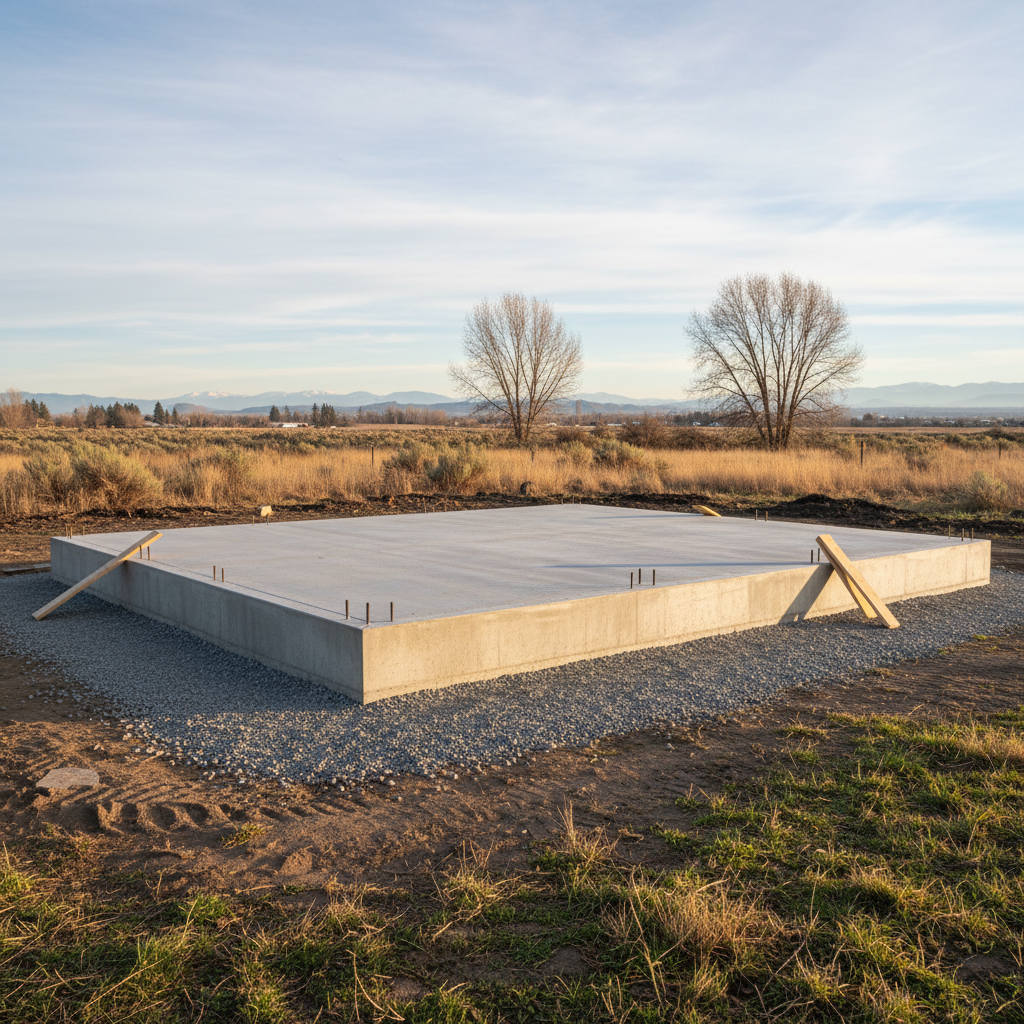
If you live out here in the Columbia Basin, you already know our weather is very demanding. Between blistering summer heat and freezing winter drops down near Larson or out toward the mounds, your concrete takes a real beating year-round. Coastal Concrete Solutions has been pouring and fixing slabs across this region for years, and homeowners always ask our team what the local climate actually means for their foundations. Here is what you need to know to keep your concrete from cracking up.
Timing Your Concrete Pours Around Central Washington Weather
Timing is everything when you are working with concrete in Moses Lake. People often think you can pour anytime the sun is shining, but our scorching July and August days—where temperatures regularly clear 90 degrees—can actually ruin a fresh slab. When it is that hot, the water in the mix evaporates too fast. That leads to shrinkage cracks and weak spots that will cause problems later.
Spring and fall are usually prime time for scheduling new pours. The air is cooler, and the concrete can cure at a proper, steady pace. If Coastal Concrete Solutions has to pour in the heat of summer, we use specific retarders and make sure we are out there dampening the surface constantly. Winter is a different beast. Freezing temperatures will expand any trapped moisture inside fresh concrete, turning it to powder or splitting it wide open. If the mercury drops below freezing, you wait, or you use heavy thermal blankets and heated enclosures.
What the Local Soil and Climate Do to Existing Slabs
We have a lot of sandy loam and basalt-heavy earth around Grant County. It shifts and settles depending on moisture levels, which can put uneven stress on a foundation. When winter brings freezing nights followed by rapid thaws, the frost heave can push slabs upward if they were not poured deep or thick enough. Then summer rolls in, baking the ground bone-dry, causing the soil to shrink back down.
At Coastal Concrete Solutions, our team sees a lot of damage caused simply by poor drainage. Melting snow or sudden spring rains pool right against foundation walls, soaking into the concrete before dropping below freezing again. That cycle of saturation and freezing is what turns small hairline cracks into major structural headaches.
Keeping Your Concrete Safe Year-Round
Protecting your concrete does not take a miracle, just a bit of seasonal maintenance. Here is a quick rundown of what helps:
- Seal your driveways, patios, and exposed foundation walls every couple of years to keep moisture from sinking in.
- Keep your gutters and downspouts clear, and make sure they push water at least a few feet away from your foundation edges.
- Clean off de-icing salts or harsh chemicals quickly during winter, as they can pit and eat away at the surface.
- Fill small cracks with a quality polyurethane caulk before the rainy season starts so water can not get inside and freeze.
Taking care of your concrete before the weather turns nasty saves you hundreds of dollars and hassle down the road. If you have a project coming up or notice some shifting you do not like the look of, give Coastal Concrete Solutions a shout and we will come take a look.